

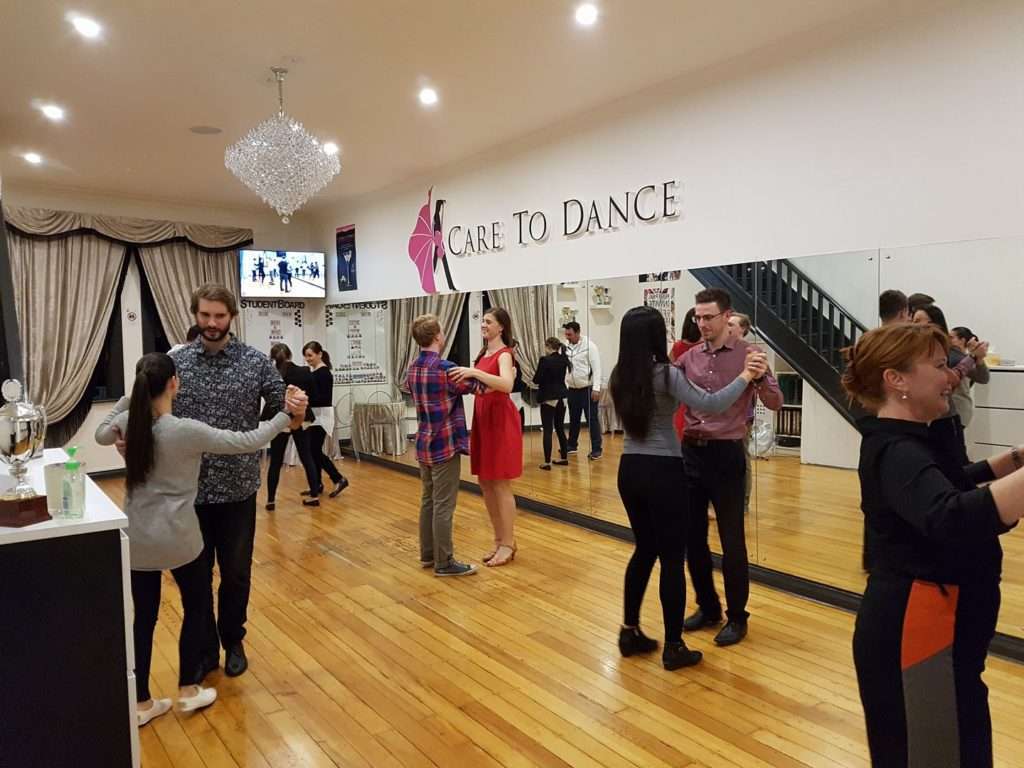
Dementia refers to a category of brain diseases (such as Alzheimer’s) that are most often characterised by deterioration in the sufferers’ ability to think and remember. The symptoms relating to dementia are most commonly seen in the elderly as the likelihood of developing any one of the related brain diseases increases with age, with roughly half of all those above 85 years old being diagnosed with it.
There is no known cure for dementia, but there are many known therapeutic treatments that can offset the worst of the symptoms and help sufferers get the most out of life. One way people with dementia can mitigate the negative impact of their condition is to participate in social dancing activities.
Let’s take a look at some of the ways social dancing can be therapeutic for those suffering with dementia.
Social Engagement
It’s no secret that social engagement can prove to be immensely beneficial for those suffering with dementia. Because dementia sufferers struggle with remaining ‘present’ in the moment, interacting with groups of people with a common interest can really help to stimulate them emotionally.
By being thrust into a positive social situation, dementia sufferers can enjoy making new connections with other people that aren’t dependent on them remembering a past relationship or the finer details therein. This gives them the benefit of social interaction without burdening them with the reality of their condition.
Mind and Body Stimulation
The activity of dancing can help to offset agitation and other problematic behaviours in suffers of dementia who can often become frustrated with their changing ability to do things. With dancing, they are able to slow-down, focus on the activity at hand and enjoy a boost in self-confidence.
Dancing also promotes good motor function as well as helping improve coordination and balance. Dementia sufferers can also use dancing to help regulate emotions and express themselves physically where they otherwise might struggle.
Relaxation
Dancing helps to release endorphins and rhythmic movement can help sufferers of dementia achieve a state of calmness. This helps to distract them from their problems and enjoy the moment in a judgement-free environment.
As you can see, social dancing can have a wide range of positive therapeutic benefits for sufferers of dementia. Because of this fact, many specialised dementia-focused dancing programs have been created around the world in order to maximise the positive effect of this kind of activity.