

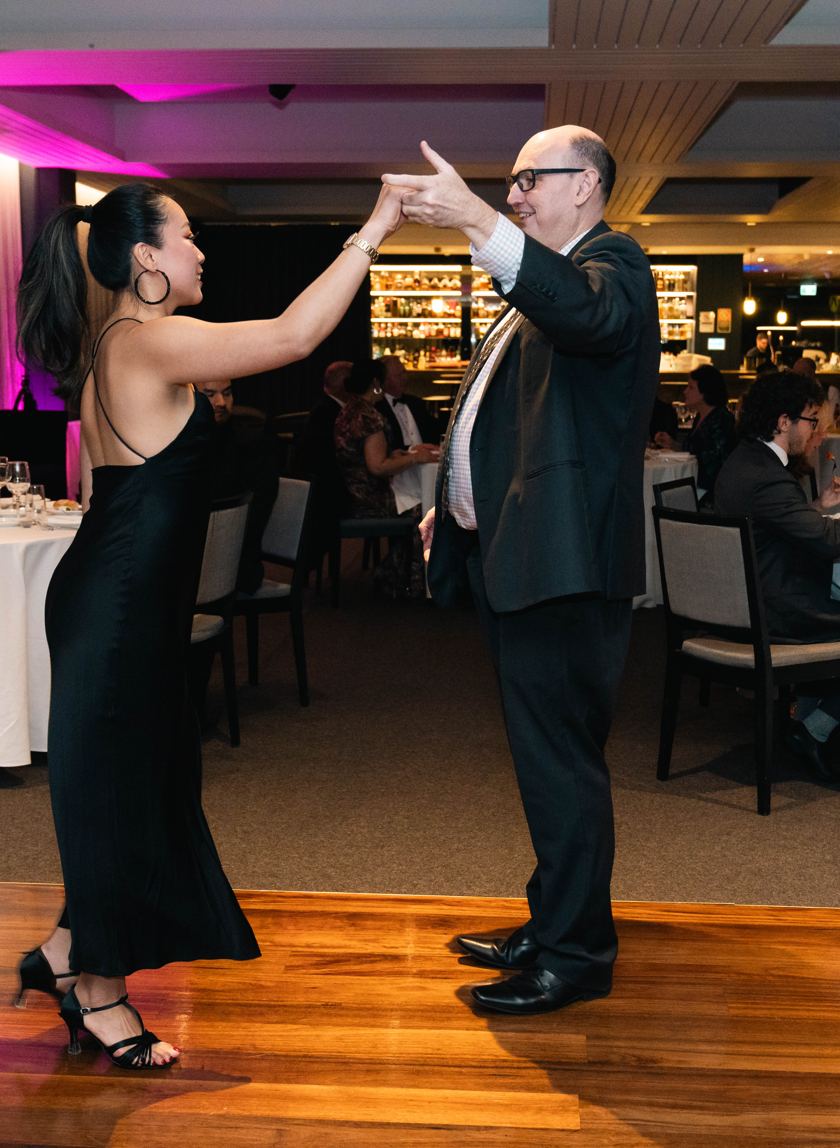
The hobbies for adults that last have four things in common: other people, a regular structure, progress you can feel, and very little screen time. Most of us choose a hobby on impulse, buy the gear and quietly drop it a few months later. Here is how to choose one that sticks, good options by type, and an honest case for why dancing ticks most of the boxes.
How to choose a hobby that sticks
Motivation is unreliable, especially after a long day at work. The hobbies that survive are the ones built so you do not need much of it. Before you commit, run any idea past these four tests.
- It is social. Other people expect you, which gets you out the door on the nights you would rather stay on the couch.
- It is structured. A regular time, a teacher or a group plan removes the weekly decision about whether and when to do it.
- The progress is noticeable. You need to feel yourself getting better, ideally within weeks, or the novelty fades with nothing to replace it.
- It is not another screen. After a day of laptops and phones, a hobby that uses your hands, your body or your voice restores you in a way scrolling never will.
Two out of four can work. Three or four, and you have something that will still be in your diary years from now.
Good hobbies for adults, by type
Creative hobbies
Pottery, painting, drawing, photography, writing and learning an instrument all give you something to show for your time. Classes beat solo study here, because a teacher shortens the frustrating early stretch and a group keeps you coming back.
Active hobbies
Bushwalking, swimming, cycling, tennis, paddling and pilates keep you moving without the grind of a gym routine. The ones that last are usually done with others: a walking group or a social tennis session is far easier to keep than a solo resolution.
Social hobbies for adults
Choirs, social sport, book clubs, trivia teams and partner dancing are built around people first. They suit anyone who has noticed their social life shrinking as careers and families take over. For many people we meet, adult dance classes become the one fixed social event of the week.
Learning hobbies
A new language, a cooking course, local history, gardening or wine appreciation scratch the itch to learn something for its own sake. They pair well with travel, and community colleges run many of them over a term, which adds the structure most of us need.
Hobbies to try in your 40s and beyond
Your 40s and 50s are a surprisingly good time to start something new. You probably have a little more money and a little more say over your time than you did at 30, and you know yourself well enough to choose honestly. What you may lack is patience with being bad at things, which is the real obstacle.
If you are torn, pick the hobby that answers whatever you miss most. Missing people: choose something social. Missing your fitness: choose something active with a group attached. Missing the feeling of learning: choose something with a teacher and visible levels. Still unsure? Try two things for a month each before committing to either.
If company is what you miss most, our guide on how to make friends as an adult goes further into why some activities produce friendships and others do not.
Getting through the beginner discomfort phase
Every new hobby has an awkward stretch where you are bad at it, aware that you are bad at it, and tempted to quit. Children sail through this because they are used to being beginners. Adults, who spend their working lives being competent, find it far more uncomfortable than they expect.
The trick is to expect it and plan for it. Decide that the first few weeks are about turning up, not about being good. Notice small wins: the step you could not do last time, the song you got through without stopping. And choose formats that shrink the exposure, such as a private lesson before a group class, so the early fumbling happens without an audience.
It helps to know the fear is common and mostly unfounded. We hear "am I too old for this?" from people in their 30s, and we answer it properly in is it too late to learn to dance as an adult. The short version is no.
Why dancing ticks most of the boxes at once
We would say this, but it holds up against the four tests. Dancing is social by design, since partner dancing needs another person and every lesson involves one. It is structured, with a teacher, a program and a regular rhythm. It is active without feeling like exercise, and it is about as far from a screen as you can get.
Progress is also unusually easy to feel. A basic step in your first lesson becomes a whole song within weeks, and our guide to how long it takes to learn to dance sets out the honest milestones. If you like a goal, studio matches offer a friendly in-studio competition with instructor feedback, and the monthly themed social parties give you somewhere to use every new step.
There is a learning side too. Remembering sequences, hearing the structure of the music and responding to a partner keep your brain as busy as your feet. And unlike most hobbies, dancing pays off well beyond the studio, at weddings, parties and on holidays.
Starting dancing as a complete beginner
Most of our students arrive with no experience at all, and many are not sure which dance they want. That is fine. Our beginner-friendly dance lessons start with a free introductory private session, after which your teacher recommends a personalised program built around your goals and pace, usually drawing on ballroom and social styles such as waltz, foxtrot, rumba and cha cha.
No partner is needed, and you can come alone or as a couple. Private lessons form the core of a program, with small group classes and social nights included for students in a program, so you get both quick progress and good company. That combination is what turns a new hobby into a lasting one.
Common questions
What is a good hobby to start at 40?
One that is social, structured and gives you progress you can feel. Classes are a strong choice because a teacher speeds up the early stages and a regular group keeps you accountable. Popular options include choir, pottery, social tennis, bushwalking, language courses and partner dancing, which combines exercise, music and company in a single evening.
What hobbies can couples do together?
Look for something neither of you is already good at, so you learn side by side rather than one teaching the other. Cooking classes, walking groups, a new language before a trip and partner dancing all work well. Dancing has the bonus of being a shared skill you can use together at weddings, parties and on holidays for years.
How do I find a hobby when I do not know what I like?
Start with what you miss: company, fitness, learning or making things. Then try two or three options briefly, ideally ones with a trial or casual first session, and notice which one you look forward to rather than which one you think you should like. Genuine enjoyment in the first few weeks is a good sign a hobby will last.
Do I need to be coordinated to take up dancing?
No. Coordination is something dancing builds rather than something it requires. Our teachers start with simple steps at walking pace and add music and partnering gradually, so most beginners are dancing something recognisable in their first session. People who say they have two left feet are some of our most common, and most pleasantly surprised, new students.