

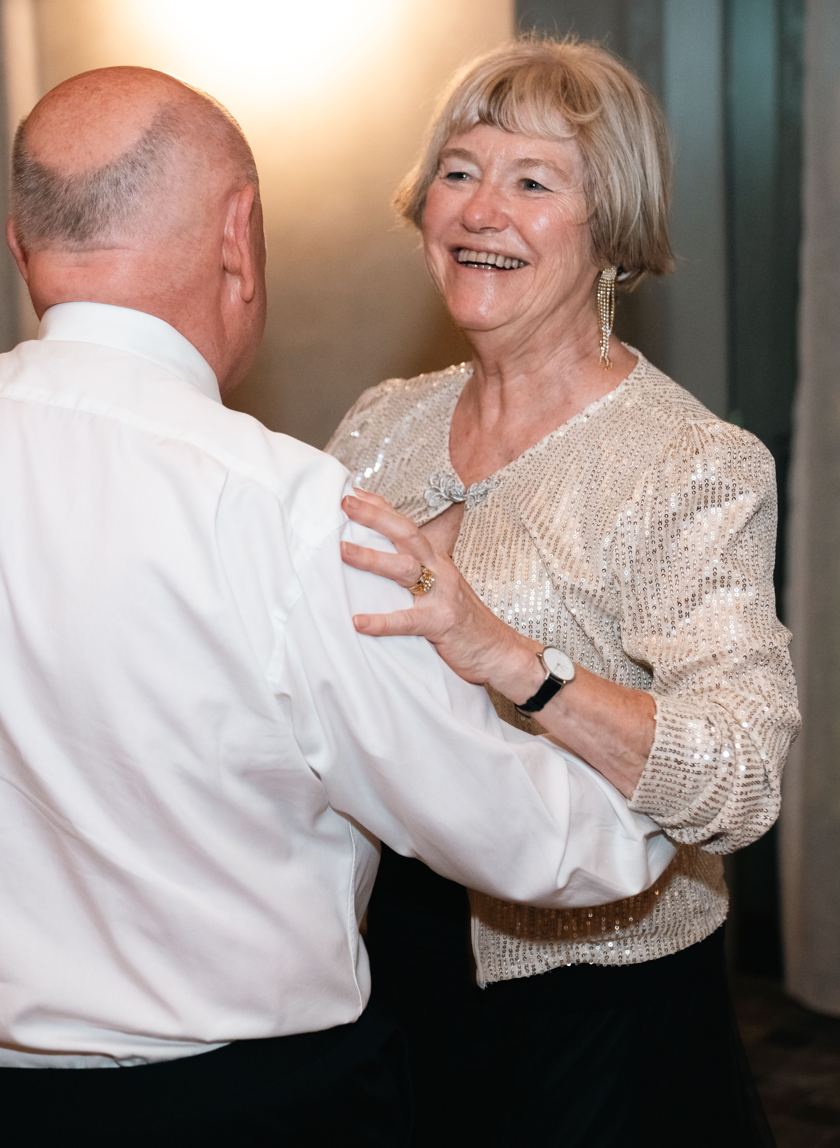
Dancing on a cruise is one of the great pleasures of life at sea: a live band, a proper floor, a room full of people dressed for the evening, and night after night to enjoy it. It is also where many travellers discover, a little late, that they can't quite manage a waltz. Here is what cruise dancing is really like, which dances to learn and how to arrive ready.
What ballroom dancing on cruises is really like
Many ships have a dance floor in a ballroom or lounge, usually with a live band, a duo or an orchestra, and evenings often fall into a pleasant rhythm: dinner, a show, then dancing until late. Some bands play sets of ballroom and Latin standards, while others mix in swing, rock and roll and pop.
Themed nights are a big part of the fun. Formal or dress-up nights bring out the gowns and dinner jackets, and there are often decade nights, white nights or deck parties. Voyages with a dance theme go further again, often with dance hosts and daily classes.
Onboard classes are usually short, cheerful and pitched at a whole room at once. They are good fun, but they aren't the place to learn from scratch, which is why so many cruisers learn a few dances before they leave home.
Dances to learn before a cruise
You don't need a long list. Ship bands lean on a familiar repertoire, and a handful of dances will carry you through most nights at sea.
- Waltz. The classic three-count dance, and the one the band is most likely to play. It also teaches you to travel around a floor in hold; our guide on how to waltz for beginners covers the basics.
- Foxtrot. Smooth and unhurried, it suits the swing era and crooner classics that ship bands love.
- Rumba. Slow and romantic, and danced mostly in one spot, which is a blessing on a crowded floor.
- Cha cha. Cheerful and rhythmic, and it fits a surprising amount of pop as well as Latin music.
- A little swing. When the band strikes up some rock and roll or big band, a simple swing step keeps you on the floor.
If time is short, start with the waltz, rumba and foxtrot, then add cha cha. Tango and Viennese waltz are lovely extras for a voyage with a ballroom focus. Our page on ballroom dancing for beginners explains how we introduce these dances to people who have never danced before.
Dancing on a moving floor
Even on a large ship, the floor isn't always still. Most nights you will barely notice, but in a swell the room takes on a gentle sway, and dancers used to a studio floor can feel thrown.
- Soften your knees. Locked legs fight the motion of the ship; soft knees absorb it.
- Shorten your steps. Big travelling figures are lovely on calm nights and risky on lively ones, so stay centred over your feet.
- Trust your frame. A good hold lets two people balance as one, which is steadier than either of you alone.
- Keep turns modest. Save the spins for calm seas, and leaders should check their partner is steady before leading one.
- Mind the edges. Ship floors are often smaller than they look, with tables close by, so floorcraft matters more than flourish.
A teacher can build this into your lessons with patterns that still look elegant when shortened on the spot. Sharing a small, busy floor gracefully is a skill of its own, covered in our guide to social dance etiquette.
What to pack, starting with shoes
Shoes matter more than anything else in the suitcase. Rubber-soled sneakers grip the floor and make every turn hard work, while brand new shoes with slick soles can be a hazard on a polished floor. Ideally, pack a pair of proper dance shoes, broken in before you go, or comfortable dress shoes with a smooth leather sole.
For heels, choose a height you can dance in all evening, not just for photos; a lower, steady heel is far kinder on a moving floor. Keep suede-soled dance shoes for indoor floors, because outdoor decks can be wet. A spare pair is worth the space if blisters strike.
For clothes, check the ship's dress code for formal nights and choose things you can move in: a dress with a little swing, trousers that allow a full stride, a jacket you can raise your arms in. Bring your shoes to a lesson before you go and your teacher will tell you whether they will work.
How long before departure to start learning
The honest answer is as early as you can. Dancing settles into muscle memory between lessons, so learning spread over a few months beats cramming in the week before you fly. Couples who start early arrive relaxed, with time to practise at home.
A shorter runway still works. If the cruise is close, your teacher will focus on the dances that matter most for your trip and set the rest aside, so you arrive able to enjoy a couple of dances rather than half knowing many. Mention your sailing date at the free introductory private session and the plan will be built around it.
The studio's monthly social parties make a useful rehearsal as well. Each one has a different theme, the teachers dance too, and it is a friendly place to try your waltz in a room full of people before you try it at sea.
Cruise dance lessons: why a short personalised program works
A cruise is a deadline with a dance floor attached, which makes it ideal for a short personalised program. Rather than a general course, your teacher works backwards from the trip: which dances the band is likely to play, where you are starting from, whether you are travelling as a couple or on your own, and how much time you have.
Private lessons do this best because every minute is aimed at your goals. For couples, it means learning to dance with each other, and our guide to learning to dance as a couple has tips for keeping it fun. For solo travellers, it means being able to accept a dance with confidence, from a host, a fellow passenger or a new friend. Our page on private ballroom lessons explains how it works.
The dances come home with you, too. A cruise has a lovely way of turning into the start of a hobby, and the next trip becomes a reason to learn the next dance.
Common questions
Do cruise ships have ballroom dancing?
Many do, particularly larger ships and longer voyages, usually with a live band playing a mix of ballroom, Latin and swing. Some ships offer dance hosts and daily group classes, and some voyages are themed entirely around dancing. Check your ship's entertainment program before you go, then choose the dances you learn to match it.
Can I dance on a cruise if I am travelling alone?
Yes. Some ships carry dance hosts whose role is to partner solo guests, and cruise dance floors tend to be friendly places where partners swap between songs. Arriving with a few dances already learnt makes it much easier to say yes when someone asks, and our page on dance classes for singles explains how solo students learn.
Is it worth taking the dance classes on board?
Yes, as a bonus. Onboard classes are fun, sociable and a good way to meet other dancers, but they are short and pitched at a whole room at once. Arrive with the basics already learnt and you will get far more from them, with the confidence to use what you pick up on the floor that same evening.
What is the easiest ballroom dance to learn for a cruise?
For most beginners, the rumba or a simple social foxtrot comes first, because both move at an easy pace and suit a crowded floor. The waltz follows quickly and is the one you are most likely to hear. Your teacher will start with whichever suits your music, your trip and your comfort, then build from there.